
Homozygous vs Heterozygous Selkirk Rex: What Buyers Should Know
Understanding the Selkirk Rex curl gene. The difference between homozygous and heterozygous Selkirk Rex, and what it means for your kitten.
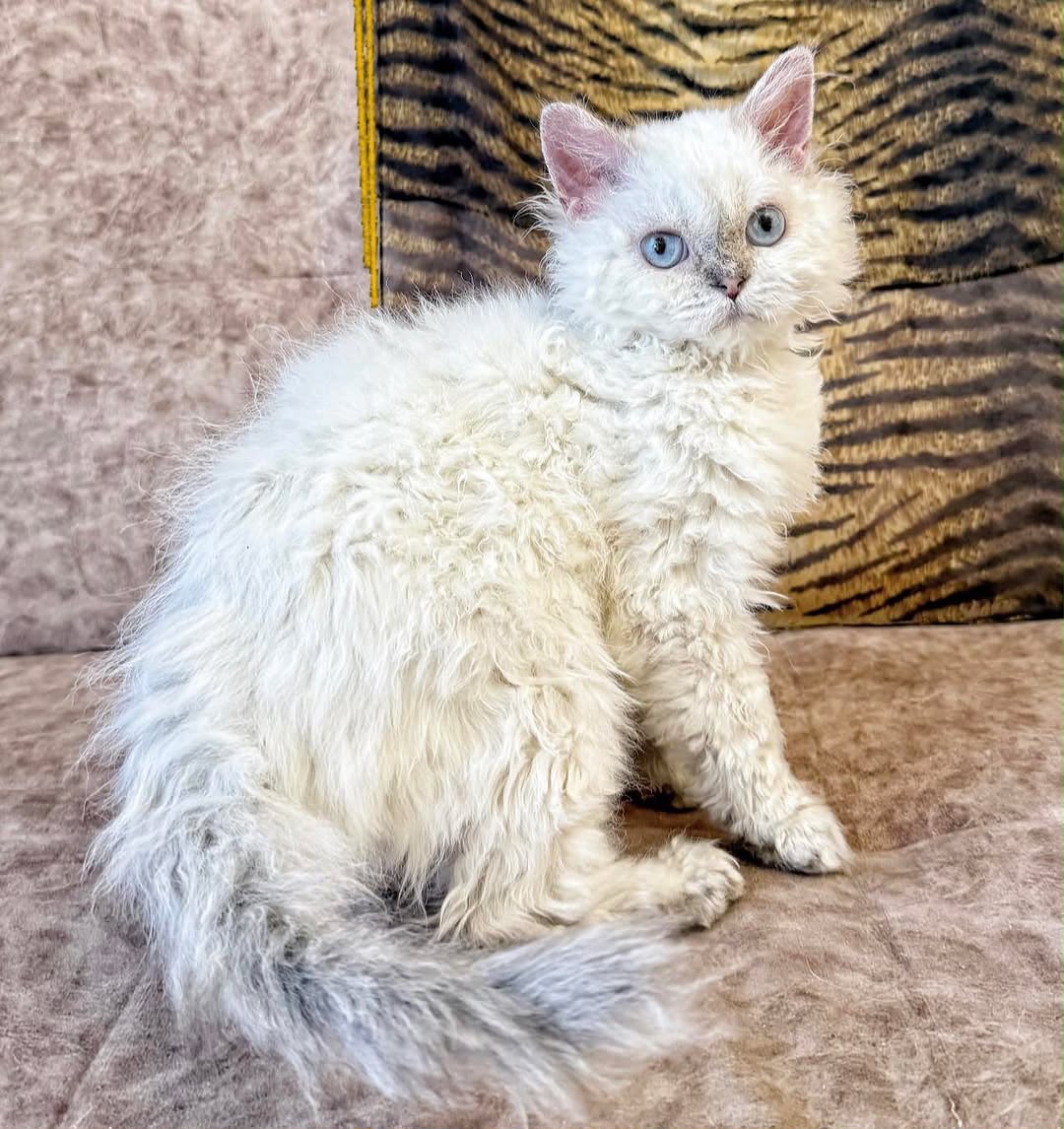
If you have been researching Selkirk Rex kittens, you have probably come across the terms homozygous and heterozygous. These terms refer to the curl gene that makes the Selkirk Rex curly in the first place. Understanding the difference helps you understand what you are getting in a Selkirk Rex kitten.
What is the Selkirk Rex curl gene?
The Selkirk Rex breed exists because of a spontaneous genetic mutation discovered in 1987 in Montana. A shelter kitten named Miss DePesto was born with a curly coat. When she was bred with a Persian, three of her kittens were also curly, which confirmed the mutation was dominant. Read the full Selkirk Rex breed history.
The curl gene is autosomal dominant, which means only one parent needs to carry it for kittens to inherit curls. However, when a kitten inherits the gene from both parents, the result is different than inheriting it from just one. This is the homozygous versus heterozygous distinction.
Heterozygous Selkirk Rex
A heterozygous Selkirk Rex (sometimes written as Se/se) has one curl gene and one regular gene. The curl gene is dominant, so the kitten is curly. The curls are softer, looser, and somewhat less defined compared to a homozygous Selkirk Rex.
Heterozygous Selkirk Rex are the most common type seen in the breed. When a heterozygous Selkirk Rex is bred with a straight-coated cat (a Persian, British Shorthair, or American Shorthair, which are allowed outcrosses in the breed), the resulting kittens have a 50/50 chance of being curly.
Homozygous Selkirk Rex
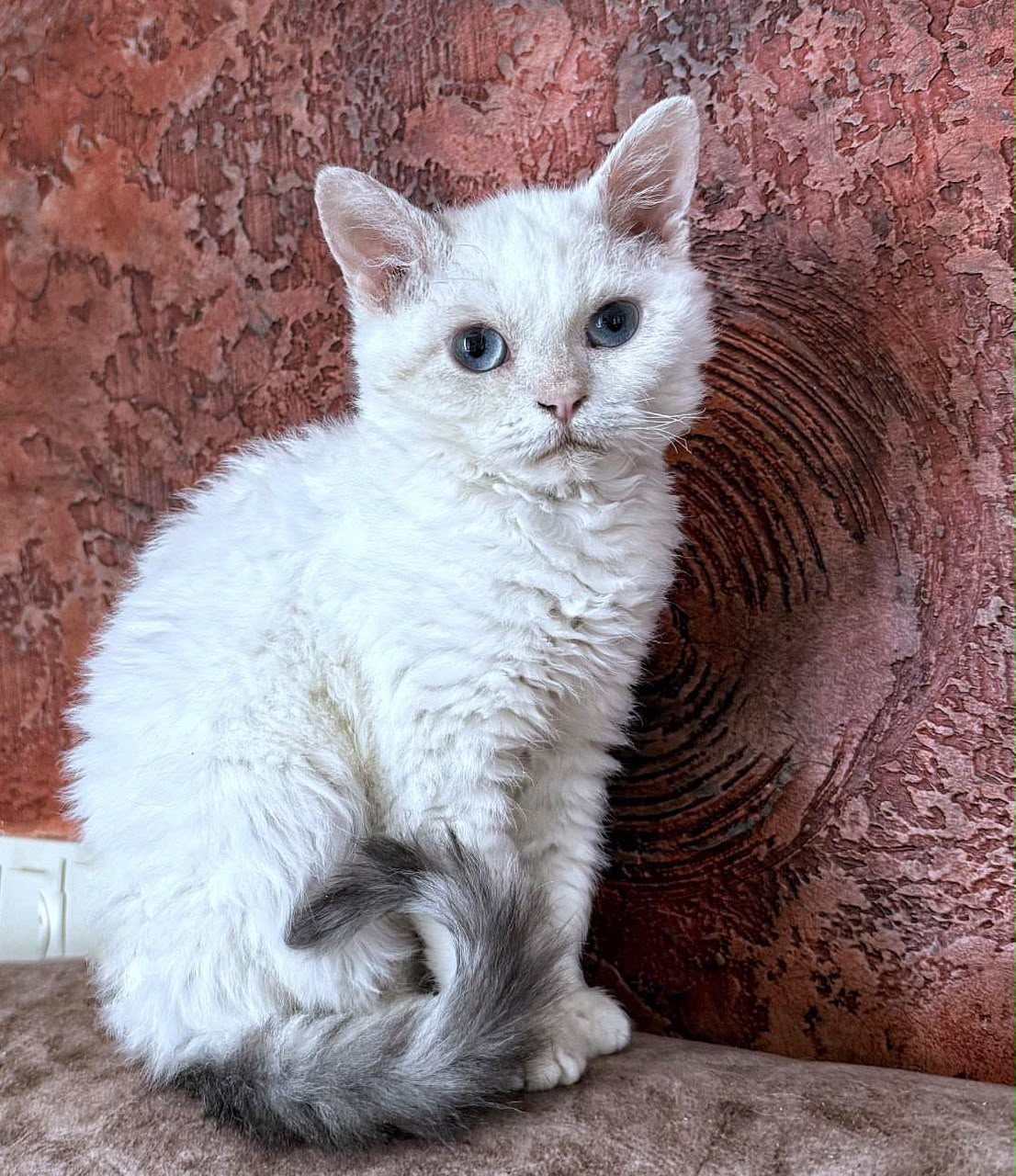
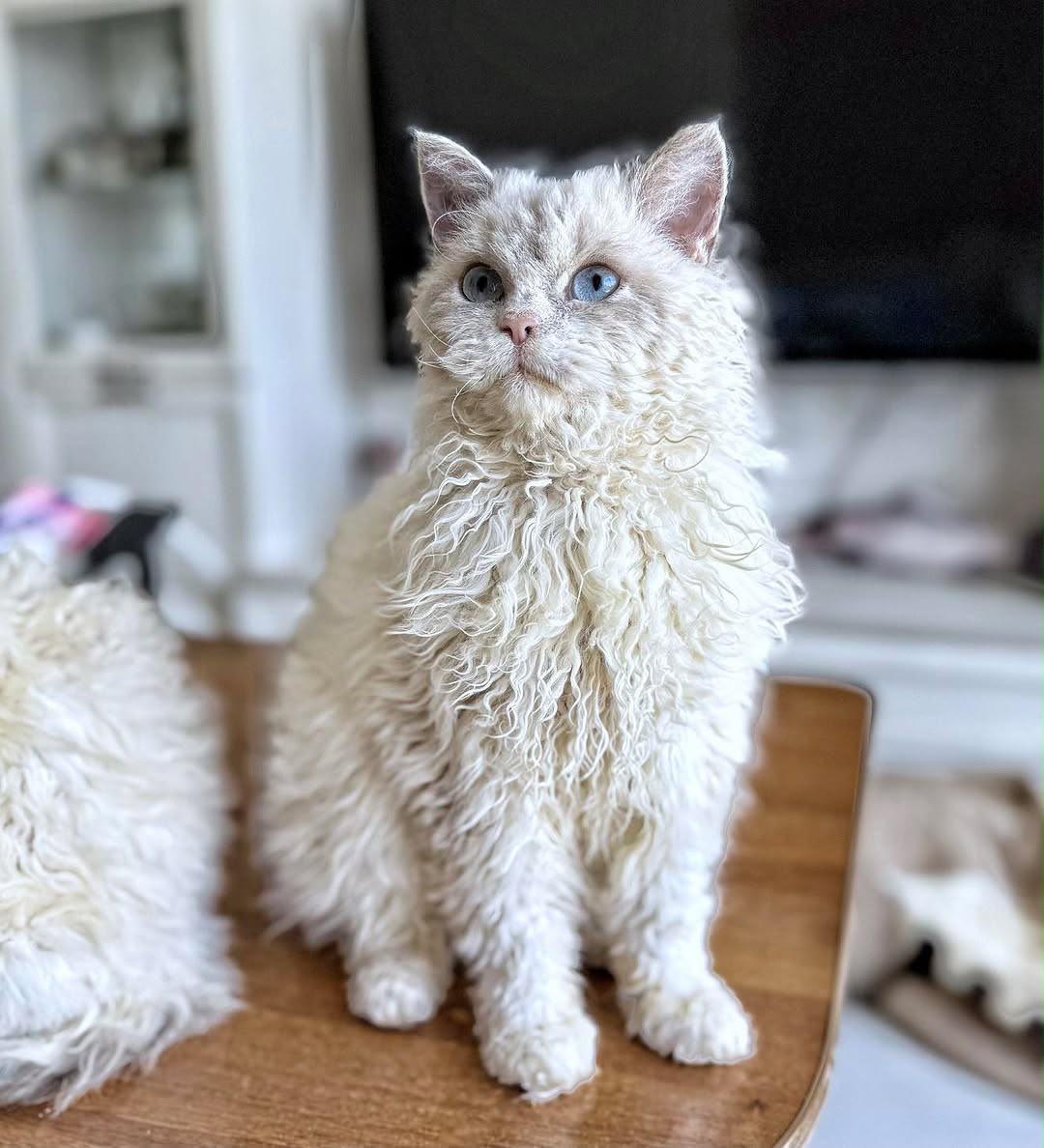
A homozygous Selkirk Rex (Se/Se) has two copies of the curl gene, one from each parent. These cats have tighter, denser, more defined curls. Homozygous Selkirk Rex are often described as having the most dramatic teddy bear coat.
To produce a homozygous Selkirk Rex kitten, both parents must carry the curl gene. This means breeding two Selkirk Rex together (one Selkirk Rex from each parent). About 25% of kittens from two heterozygous parents will be homozygous, 50% will be heterozygous, and 25% will be straight-coated.
How can you tell the difference?
Looking at a young kitten, it is often hard to tell whether they are homozygous or heterozygous. The differences become more obvious as the kitten matures and the adult coat develops. Generally:
- Homozygous curls are tighter, denser, and have a more sheep-like appearance
- Heterozygous curls are softer, wavier, and slightly less defined
- Both are equally healthy and have identical temperaments
Genetic testing can confirm homozygous or heterozygous status with certainty. Reputable breeders may test their breeding cats and disclose this information to buyers when relevant.
Does it matter to a pet owner?
For most families, the difference between homozygous and heterozygous is purely aesthetic. The cats have identical personalities, health profiles, and care requirements. The only practical difference is the appearance of the curls. Some buyers specifically prefer the tighter homozygous look, while others prefer the softer heterozygous coat.
If you are buying a Selkirk Rex as a pet, either type will give you the same amazing experience. The curls are just as cuddly, the personality just as sweet, and the cat just as devoted to its family. Browse our available Selkirk Rex kittens.
Are there health differences?
No documented health differences exist between homozygous and heterozygous Selkirk Rex. Unlike some breeds where homozygous gene combinations can cause health issues, the Selkirk Rex curl gene is benign in both states. Both homozygous and heterozygous Selkirk Rex have the same lifespan and the same potential health concerns (mainly PKD and HCM, which are unrelated to the curl gene).
How breeders use this information
Reputable Selkirk Rex breeders use the homozygous and heterozygous distinction primarily in breeding planning. To maintain coat quality across litters, breeders often pair a homozygous Selkirk Rex with a heterozygous one, or with a straight-coated outcross. This maintains genetic diversity in the breed while ensuring curly kittens.
"A homozygous Selkirk Rex and a heterozygous Selkirk Rex are equally wonderful pets. The difference is mostly visual, and both have the same temperament that families fall in love with."
Outcrossing in the Selkirk Rex breed
Because the Selkirk Rex is a young breed and the gene pool is still being developed, outcrossing to other breeds is permitted by TICA and CFA. Approved outcrosses include the Persian, British Shorthair, American Shorthair, and Exotic Shorthair. This keeps the breed genetically healthy and helps maintain breed-specific traits like the round face and gentle temperament.
The bottom line
Homozygous Selkirk Rex have tighter curls because they carry two copies of the curl gene. Heterozygous Selkirk Rex have softer curls because they carry one copy. Both are healthy, both are wonderful pets, and the difference is mostly visual. When choosing your Selkirk Rex kitten, focus on health screening, personality, and finding a reputable breeder, not whether the kitten is homozygous or heterozygous. View our available kittens or meet our breeding cats.
See our available Selkirk Rex kittens
Every Selkirkish kitten is raised in our family home in Albuquerque, NM. Health tested parents, TICA-registered cattery.