
Selkirk Rex Shedding Explained: What to Expect From the Curly Coat
Do Selkirk Rex shed? How much grooming do they need? An 8-year breeder explains shedding, coat care, and how to keep your Selkirk Rex curls at their best.
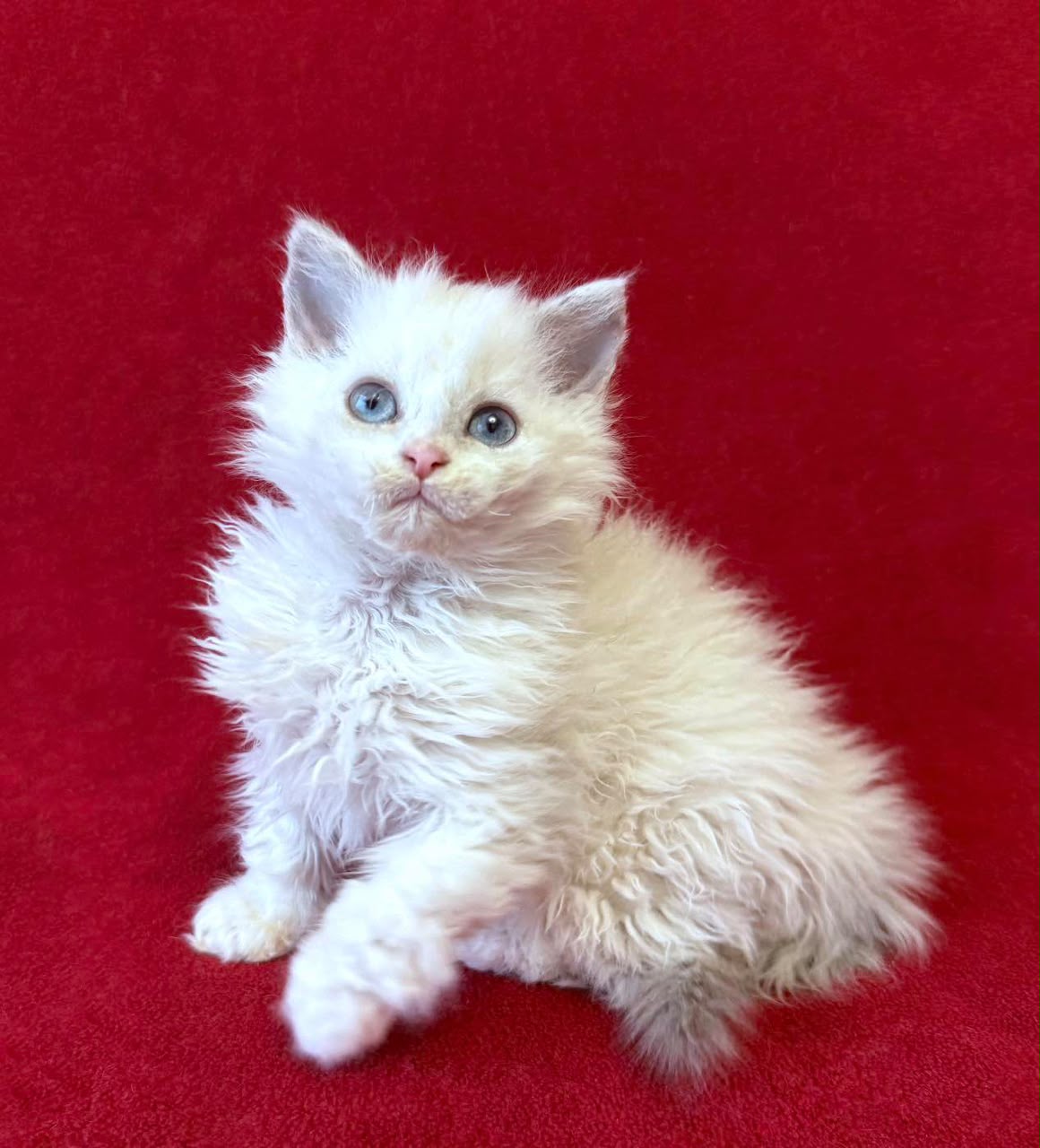
One of the most common questions we hear from prospective owners is "do Selkirk Rex shed?" The short answer is yes, but probably less than you expect. The famous curly coat traps shed hair in a way that smooth-coated breeds do not. After 8 years of breeding Selkirk Rex, here is what you need to know about shedding and coat care.
Do Selkirk Rex shed?
Yes. Every cat breed sheds, including the Selkirk Rex. However, the breed's dense, curly coat means shed hair is largely trapped within the coat itself rather than scattered across your furniture, clothes, and floors. This makes the Selkirk Rex one of the easier breeds to live with in terms of visible fur in the home.
That said, shedding varies between individual cats and between the shorthair and longhair varieties. Shorthair Selkirk Rex shed somewhat less than longhair, simply because there is less hair to shed. Both varieties go through seasonal coat changes in spring and fall, with slightly heavier shedding during these transitions.
How much do Selkirk Rex shed?
Moderately. They are not heavy shedders like a Maine Coon or Persian, but they are also not extremely low-shedding like a Sphynx or Devon Rex. A weekly brushing keeps the coat tidy for most owners. During seasonal coat changes (typically March-May and September-November), you may want to brush twice weekly.
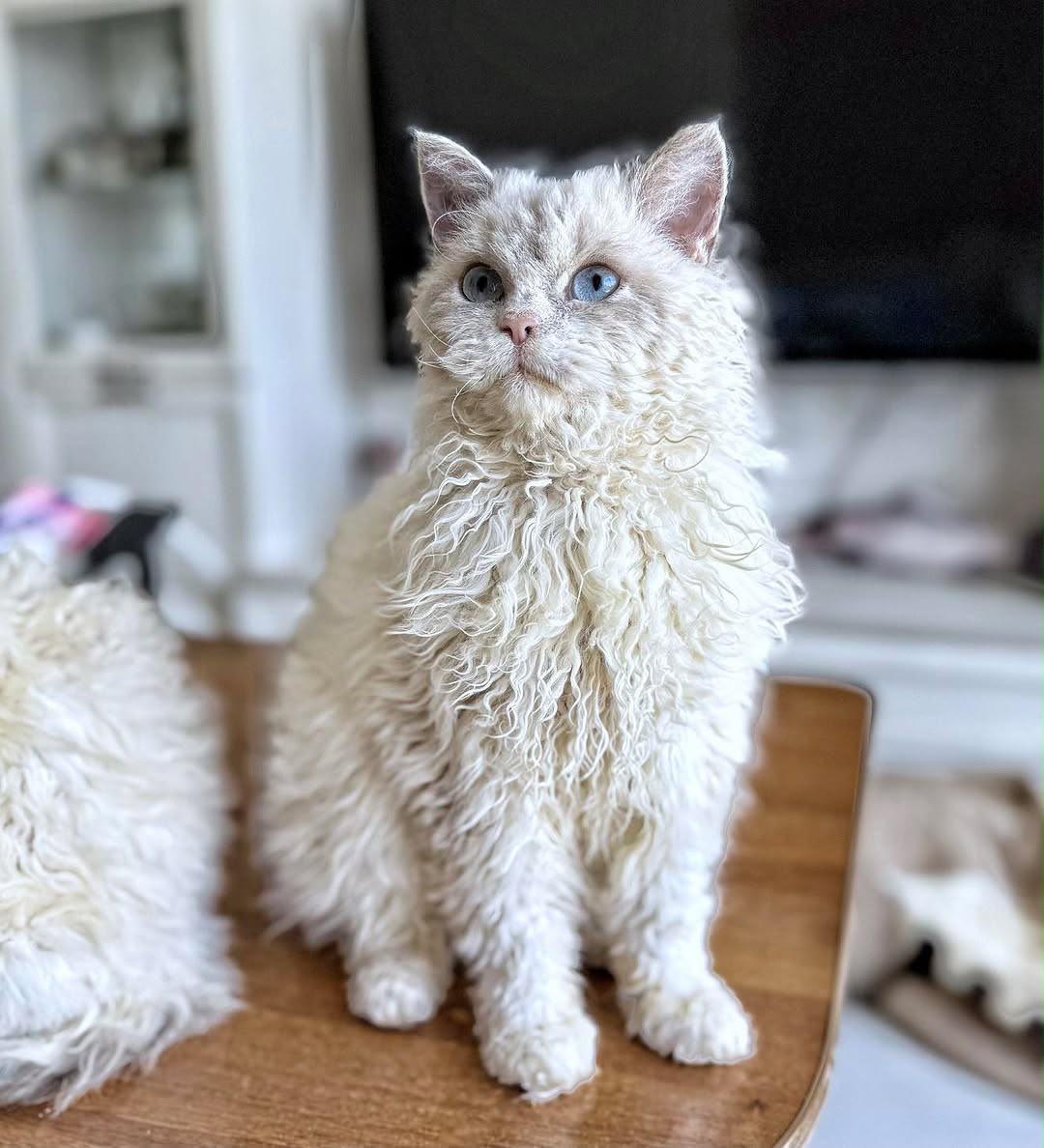
Shorthair Selkirk Rex shedding
The shorthair coat is dense and curly, with three coat layers (guard hair, awn hair, and down). Shed hair gets trapped within these layers. Light combing once a week removes loose hair before it escapes onto your furniture. Around the underarms and belly, the coat can mat slightly if not combed regularly.
Longhair Selkirk Rex shedding
The longhair coat sheds slightly more by volume, but again, much of the shed hair stays within the coat. The ruff and tail benefit from gentle combing twice a week, especially during seasonal changes. Avoid heavy brushing as it can straighten and damage the curls.
Grooming a Selkirk Rex
This is where Selkirk Rex care surprises most new owners. The breed actually requires less grooming than many other longhair breeds. Over-brushing damages the curl pattern and removes the natural texture that makes the breed so unique.
What to use
- Wide-tooth comb for general grooming and removing loose hair
- Gentle slicker brush used sparingly for tangles only
- Stiff-bristle brushes are not recommended. They straighten the curls.
How often
- Shorthair: Light combing once a week, more during seasonal shedding
- Longhair: Gentle comb twice a week, with attention to ruff and tail
- Both: Occasional bath every 6 to 8 weeks helps maintain curl quality
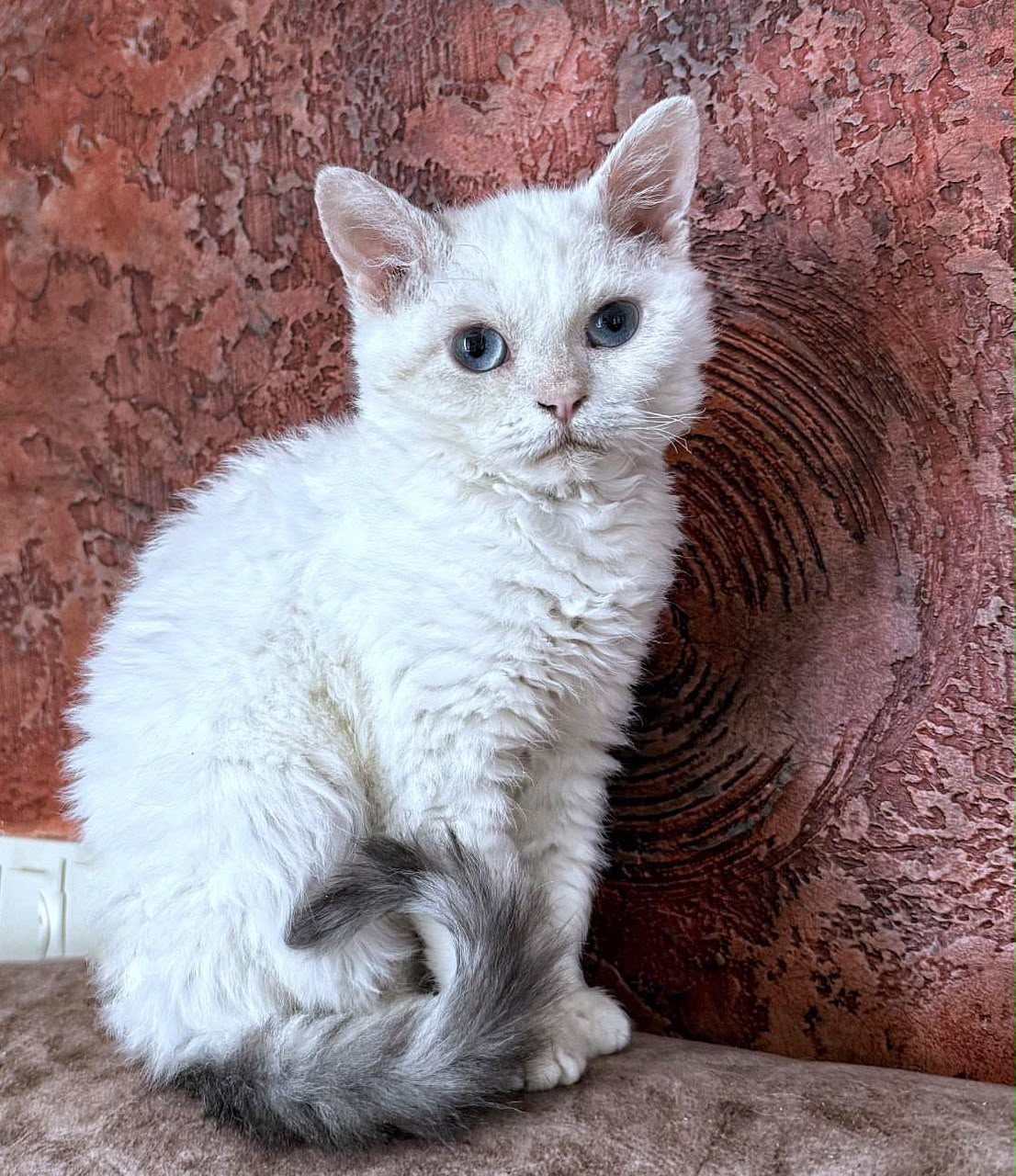
Bathing
An occasional bath helps maintain the coat's natural oils and removes built-up dander. Use a gentle cat-specific shampoo, rinse thoroughly, and towel dry without rubbing. Let the coat air dry. Avoid blow dryers as the heat damages the curl pattern. Most Selkirk Rex tolerate bathing well, especially when introduced as kittens.
Will Selkirk Rex shedding affect allergies?
Possibly. Because shed hair is trapped within the coat, regular grooming removes both the hair and the allergens it carries. This may help owners with mild cat allergies tolerate the breed better than smooth-coated breeds where shed hair scatters everywhere. However, the Selkirk Rex is not hypoallergenic. Read more about Selkirk Rex and allergies.
Kittens and shedding
Selkirk Rex kittens have a softer, less curly coat than adults. Their kitten coat sheds out between 6 and 10 months as the adult coat develops. During this transition, you may notice slightly heavier shedding for a few months. The adult curly coat fully comes in by 1 to 2 years of age and the coat tightens further with maturity.
"Selkirk Rex are a great choice for families who want a curly cat without the constant fur tumbleweeds that come with some other breeds."
The bottom line
Selkirk Rex shed moderately, but the curly coat traps most shed hair within itself. A weekly brushing for shorthair and twice-weekly for longhair keeps the coat in top condition. Avoid over-grooming as it damages the curl pattern. For families who want a curly-coated cat with manageable maintenance, the Selkirk Rex is an excellent choice. Browse our available Selkirk Rex kittens or read more about the Selkirk Rex breed.
See our available Selkirk Rex kittens
Every Selkirkish kitten is raised in our family home in Albuquerque, NM. Health tested parents, TICA-registered cattery.