
Selkirk Rex vs Devon Rex: Which Curly Cat Breed Is Right For You?
Selkirk Rex and Devon Rex both have curly coats but differ in temperament, body type, and care needs. A breeder compares the two.
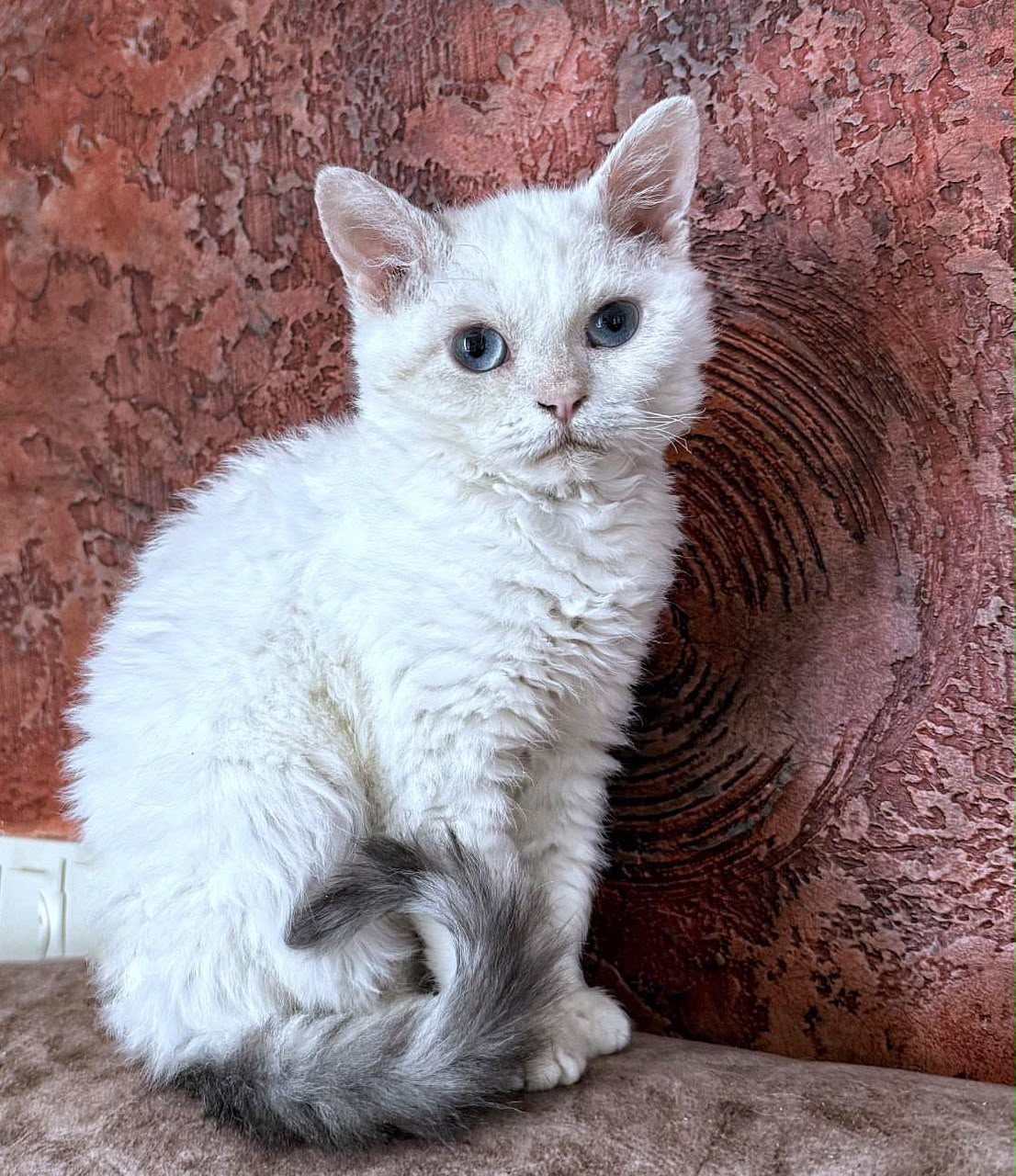
Selkirk Rex and Devon Rex are both curly-coated cat breeds, but they are very different in body type, personality, and care needs. If you are deciding between the two, this comparison from an 8-year Selkirk Rex breeder covers the key differences honestly. Both breeds are wonderful, but they suit different households.
Quick comparison at a glance
- Selkirk Rex: Plush, dense curls. Heavy, muscular body. Calm, lap cat temperament. Round face. Medium to high grooming.
- Devon Rex: Soft, wavy curls. Slender, athletic body. High-energy, mischievous. Triangular face with large ears. Low grooming.
Origin and history
The Selkirk Rex was discovered in 1987 in Montana when a curly kitten named Miss DePesto was found in a shelter. The breed was developed by crossing her with Persians and British Shorthairs, which gave the Selkirk Rex its heavy body and gentle temperament.
The Devon Rex is older, originating in 1959 in Devon, England, when a curly kitten was found in a feral cat colony. The breed was developed independently from the Cornish Rex (despite being discovered around the same time), and the two breeds have different curl genes.
Physical differences
Body type
The Selkirk Rex is a heavy, muscular cat. Males weigh 11 to 16 pounds, females 6 to 12 pounds. They have a sturdy build with a broad chest, round face, and big eyes. The overall impression is a robust, solid cat.
The Devon Rex is slender and athletic. Males weigh 6 to 9 pounds, females 5 to 8 pounds. They have a triangular face with extremely large ears, a slim body, and long legs. The overall impression is an elf-like, mischievous cat.
Coat
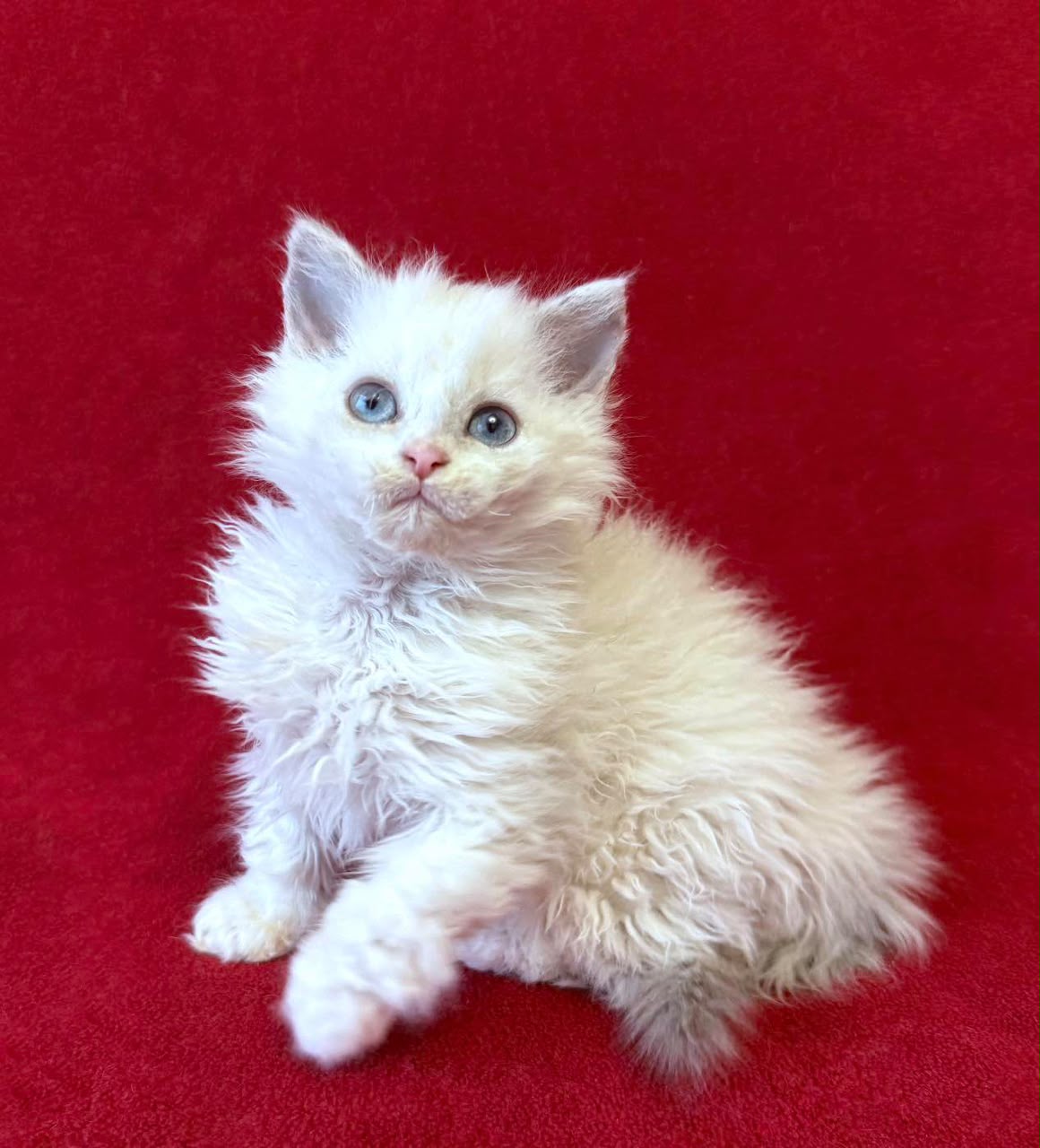
The Selkirk Rex has a dense, plush coat with three coat layers (guard, awn, and down hairs). The curls are tight and full, giving the breed its "sheep-like" appearance. The coat comes in both shorthair and longhair varieties.
The Devon Rex has a soft, short, wavy coat. The waves are looser and the coat is thinner overall, almost feeling suede-like to the touch. Devon Rex only come in one coat length (essentially shorthair) since the breed lacks the longhair gene.
Personality differences
Selkirk Rex temperament
Calm, patient, affectionate. The Selkirk Rex is famously laid-back. They are lap cats who follow you from room to room, settle on your lap the moment you sit down, and tolerate handling well. They get along beautifully with children, other cats, and dogs. Moderate energy level.
Devon Rex temperament
Active, mischievous, playful. The Devon Rex is sometimes called the "pixie" or "monkey" cat because of their playful antics. They are highly energetic, athletic, and curious. They climb everything and demand interaction. They are loving but not the same kind of lap cat as the Selkirk Rex.
Which is better for families?
It depends on your household. For most families with children, especially young ones, the Selkirk Rex is the better choice. They are more patient with kids, more tolerant of handling, and less likely to be overwhelmed by household chaos. They are also calmer when guests visit.
For active households or singles who want a more interactive companion, the Devon Rex can be a wonderful fit. They thrive on attention and engagement. They are less likely to be content as a lap cat and more likely to want to play, climb, and explore alongside you.
Care differences
Selkirk Rex care
The Selkirk Rex needs weekly grooming (or twice weekly for longhair). The dense curls trap shed hair, which requires regular combing to remove. They benefit from an occasional bath every 6 to 8 weeks. Read our complete Selkirk Rex care guide.
Devon Rex care
The Devon Rex needs minimal grooming. The short, wavy coat does not mat and does not require regular brushing. However, Devon Rex are known for greasy skin and need more frequent bathing than most breeds (every 2 to 3 weeks).
Health considerations
Both breeds are generally healthy. Both can be screened for HCM (Hypertrophic Cardiomyopathy). The Selkirk Rex inherits some Persian-line concerns (mainly PKD), which is why reputable Selkirkish breeders test for it.
Devon Rex can be prone to a specific muscle condition called Devon Rex Myopathy, which is inherited and tested for in reputable Devon catteries. They are also more prone to dental issues than most breeds.
Which is rarer?
Both breeds are relatively uncommon in the US, but the Selkirk Rex is somewhat rarer than the Devon Rex. There are fewer Selkirk Rex breeders nationwide, and finding a kitten often requires more research or a waitlist. At Selkirkish, we maintain a waitlist for families wanting specific colors. Join our waitlist.
Price comparison
Pricing varies by breeder, color, and quality. At Selkirkish, our Selkirk Rex kittens are $850 flat. Devon Rex kittens from reputable breeders typically range from $1,500 to $2,500.
"The best curly cat is the one whose personality matches your life. Selkirk Rex for calm, Devon Rex for active."
The bottom line
Choose the Selkirk Rex if you want a calm, affectionate, low-key family cat with a thick, plush coat that looks like a stuffed animal. Choose the Devon Rex if you want a high-energy, playful, interactive cat with a sleek, wavy coat. Both breeds make wonderful pets. The right choice depends on your home and your lifestyle. Browse our available Selkirk Rex kittens or read the full Selkirk Rex breed guide.
See our available Selkirk Rex kittens
Every Selkirkish kitten is raised in our family home in Albuquerque, NM. Health tested parents, TICA-registered cattery.